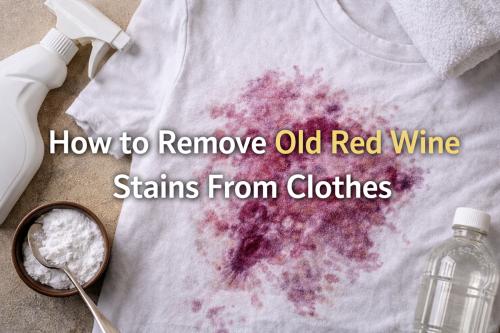
Red wine stains are among the most challenging fabric stains because wine contains pigments, tannins and natural acids that quickly penetrate fibers. Whether the spill is fresh or already dried, it is possible to remove it with the right approach. This guide explains the most effective cleaning methods, safe household solutions and professional techniques that help restore clothes without damaging the material.
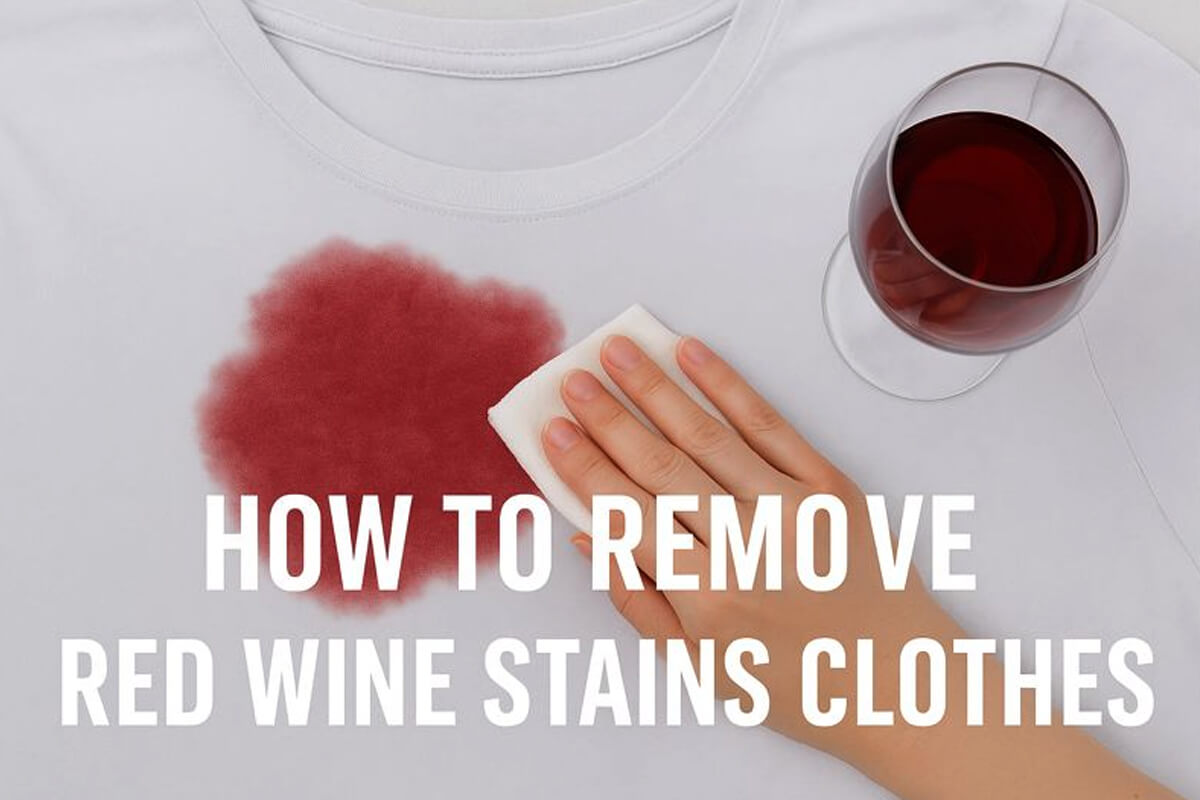
Why red wine stains fabrics so easily
Red wine penetrates fibers because of its deep color compounds known as anthocyanins. These pigments bond quickly with cotton, linen, wool and synthetic fibers. Heat, friction or time make the stain set even deeper, which is why fast action always improves the result.
Different fabrics react differently to wine. Delicate materials like silk or wool need a gentle cleaning method, while cotton and polyester often tolerate stronger solutions. Understanding your fabric type helps prevent accidental damage during stain removal.
First actions to take when wine spills on clothing
A fresh spill is much easier to remove than a dried stain. Immediate blotting helps prevent the pigment from fully settling into the fibers.
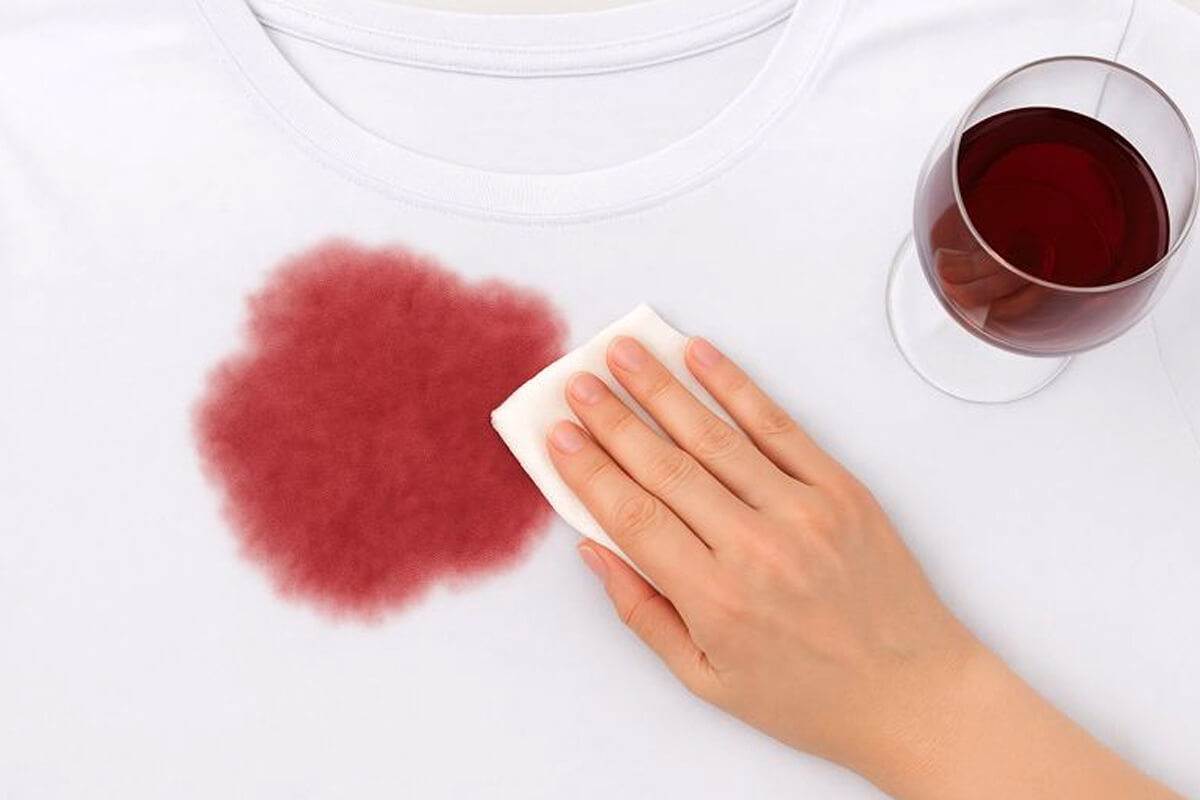
Blot the stain gently with a clean cloth without rubbing.
Apply light pressure to lift wine from the fabric.
Use cold water to dilute the remaining wine.
Continue blotting until no more liquid transfers to the cloth.
Rubbing expands the stain and pushes wine deeper into the fabric. Blotting is the safest way to absorb as much wine as possible before deeper cleaning.
What products you need for effective stain removal
Most wines stains can be removed using common household items. These products break down pigments, dissolve tannins and help prevent discoloration.
Baking soda
White vinegar
Hydrogen peroxide for light fabrics
Dish soap
Club soda or sparkling water
Laundry detergent
Salt
Using cold water for fresh stains
Cold water helps dilute wine pigments before they bond with fibers. Hot water, on the other hand, causes stains to set, so it must be avoided.
Steps for removing fresh stains with water
Run cold water through the back of the stain to push wine out of the fabric.
Continue rinsing until the stain begins to fade.
Apply a small amount of liquid detergent and gently rub the area.
Rinse again with cold water.
This method works best within the first few minutes after the spill.
How salt helps lift pigment from fabric
Salt absorbs moisture and helps pull wine out of fibers. It is a useful emergency solution that can prevent deeper staining.
How to use salt effectively
Cover the wet stain with a thick layer of salt.
Allow the salt to absorb wine for 10 to 15 minutes.
Brush away the salt and rinse the fabric with cold water.
Salt is highly effective on cotton, linen and polyester but should be used carefully on delicate fabrics.
Using baking soda for stronger stain removal
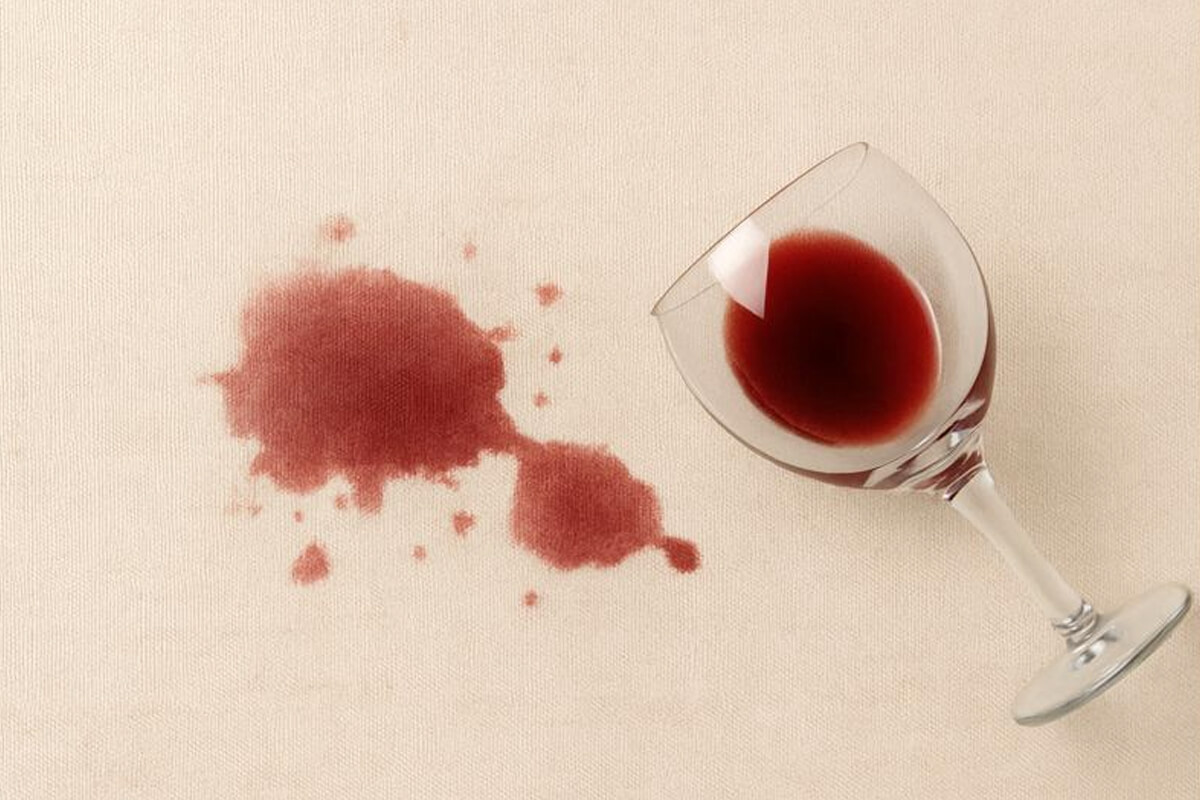
Baking soda acts as a gentle abrasive and natural brightening agent. It helps lift color and reduce the intensity of a wine stain.
Steps to use baking soda
Mix baking soda with cold water to create a paste.
Apply the paste directly to the stain.
Let it sit for 30 minutes.
Rinse thoroughly and check if the stain has lightened.
Repeat the treatment if the stain remains visible.
Removing wine stains with vinegar and dish soap
Vinegar neutralizes pigments in wine, while dish soap removes oils and residue. Together they create a powerful cleaning solution.
How to prepare the cleaning mixture
One tablespoon of vinegar
One tablespoon of dish soap
Two cups of cold water
Apply the mixture with a cloth and blot gently until the stain fades. Rinse after cleaning to remove any soap residue.
Hydrogen peroxide method for bright fabrics
Hydrogen peroxide is a strong stain remover recommended only for white or very light colored fabrics. It can cause discoloration on dark or patterned materials.
Steps for peroxide cleaning
Mix equal parts hydrogen peroxide and dish soap.
Apply the mixture to the stain and let it sit for 10 minutes.
Blot gently and rinse with cold water.
Always test peroxide on a hidden section before applying it to the stain.
Using club soda as an easy stain remover
Club soda contains minerals and carbonation that help lift wine pigments from fabric. It is gentle, effective and safe for most materials.
How to apply club soda
Pour club soda directly onto the stain.
Blot using a clean cloth.
Repeat until the stain fades noticeably.
This method is especially useful for quick at home treatment when detergents are not available.
Addressing dried red wine stains
Once a wine stain dries, pigments bond more strongly to fibers. However dried stains can still be removed with stronger cleaning techniques.
Pre soak the fabric in cold water for 30 minutes.
Apply detergent directly to the stain.
Use a soft brush for light scrubbing.
Rinse and repeat the process if needed.
For persistent stains peroxide or commercial stain removers may be required, depending on fabric type.
Comparing different stain removal methods
The table below shows how different methods perform depending on stain condition and fabric type.
| Method | Best for | Fabric type | Effectiveness |
|---|---|---|---|
| Cold water rinse | Fresh stains | Cotton, linen, synthetics | High |
| Salt application | Fresh or wet stains | Most fabrics | Medium |
| Baking soda paste | Medium stains | Cotton, synthetics | High |
| Vinegar and dish soap | Stubborn stains | Most non delicate fabrics | Very high |
| Hydrogen peroxide | Light fabric stains | White or beige fabrics | Very high |
| Club soda | Fresh stains | Most fabrics | Medium to high |
Tips to prevent future wine stains on clothing
Simple habits can reduce the risk of deep or permanent stains. Preparing your environment and knowing how to respond quickly can save delicate clothing.
Avoid drinking wine near delicate fabrics.
Keep salt or baking soda accessible during gatherings.
Treat spills immediately before they dry.
Check fabric labels before using strong cleaning products.
Wash stained clothes separately to avoid color transfer.
Important reminders for homeowners
Red wine stains may look intimidating but they can be removed successfully with fast action and the right method. Cold water, salt, baking soda, vinegar and dish soap remain the most reliable stain removal tools. Hydrogen peroxide is effective for light fabrics while club soda works well for fresh spills.
With consistent care and the correct technique clothing can be restored without permanent discoloration. The key is to act quickly, choose the appropriate method for your fabric and avoid heat until the stain is fully removed.