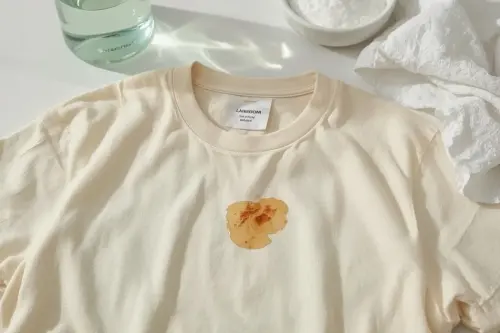
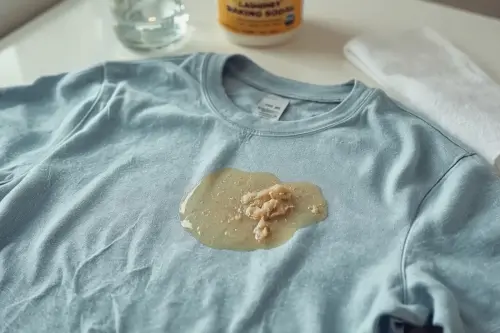
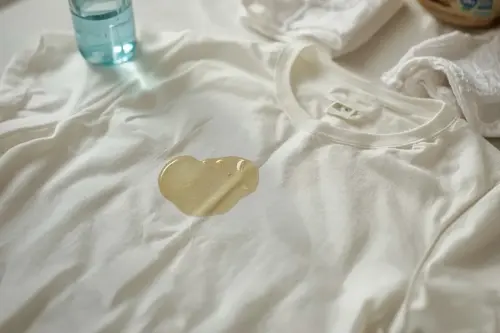
Grease on a fabric car seat can be tricky because one wrong move can make the stain larger. If you rub too hard, add too much water, or use the wrong cleaner, the grease can spread deeper into the upholstery and leave a wider dark mark.
The safest approach is to work slowly: lift any surface residue, absorb the oil first, use a small amount of grease-cutting cleaner, and blot instead of scrubbing. Fabric car seats need careful spot cleaning because the cushion underneath can hold moisture and residue if you oversaturate the area.
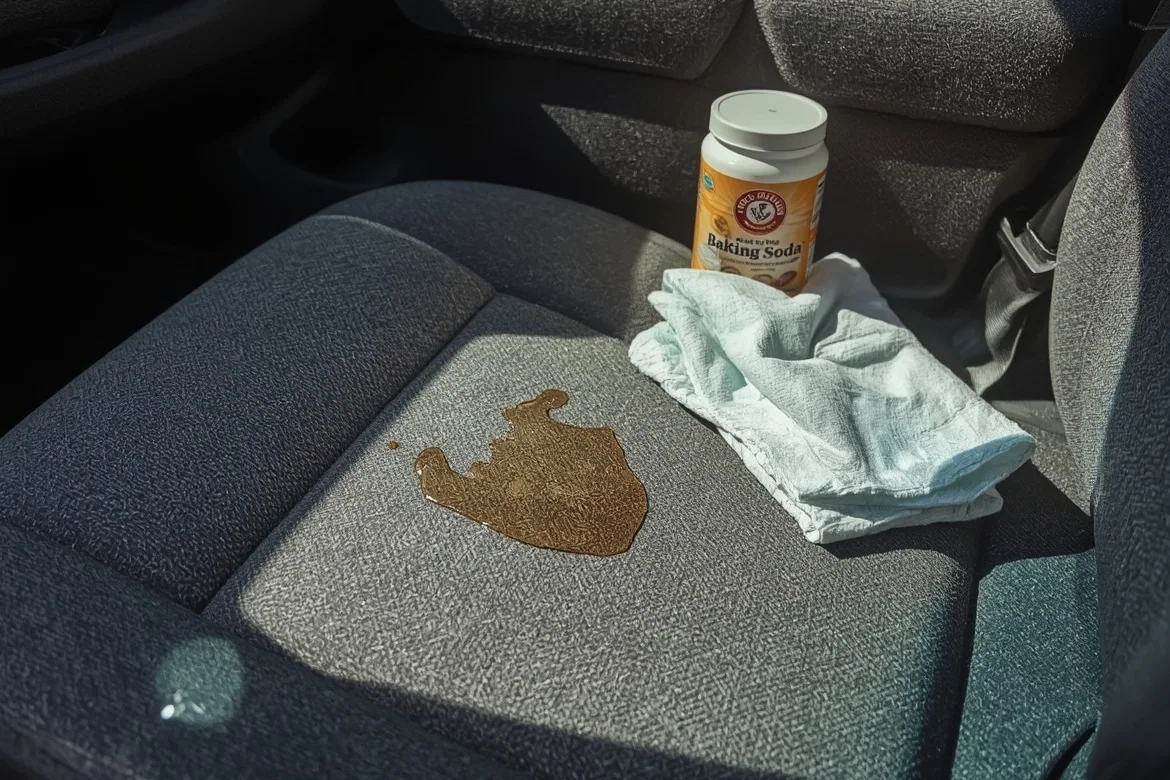
To remove grease from fabric car seats without spreading it, avoid rubbing and avoid soaking the seat. Blot gently, use absorbent powder first, and clean from the outside of the stain toward the center.
Why grease spreads so easily on fabric car seats
Grease does not behave like a simple water-based spill. It can cling to fabric fibers, sink into textured upholstery, and move outward when pressure or too much liquid is added. This is why a small fast food grease mark can turn into a larger oily patch if you scrub it right away.
Car seat fabric also has padding underneath. If you use too much water or cleaner, the stain may move down into the cushion instead of lifting out. The seat can then dry slowly, leaving residue, odor, or a faint ring around the cleaned area.
That is why the goal is not to flood the stain. The goal is to absorb, loosen, blot, and repeat carefully.
Common grease stains on fabric car seats
Grease stains in cars often come from everyday food and takeout. Some of the most common sources include:
- French fries
- Burgers
- Pizza grease
- Fried chicken
- Breakfast sandwiches
- Butter or oily sauces
- Salad dressing
- Cooking oil transferred from clothes or bags
- Hand lotion or body oils
If the stain came from pizza, you may also find this related guide useful: how to remove pizza grease from clothes. The surface is different, but the basic idea is similar: absorb oil before washing or wet cleaning.
What to do first
If the grease stain is fresh, do not rub it. Rubbing is the fastest way to push grease deeper into the seat and spread it across a larger area.
If there is any food residue on the seat, lift it away carefully with a spoon, dull butter knife, or paper towel. Do not press crumbs, sauce, cheese, or greasy food into the fabric.
Always remove solid food first. If you start cleaning while crumbs or sauce are still on the seat, you may create a mixed stain that is harder to remove.
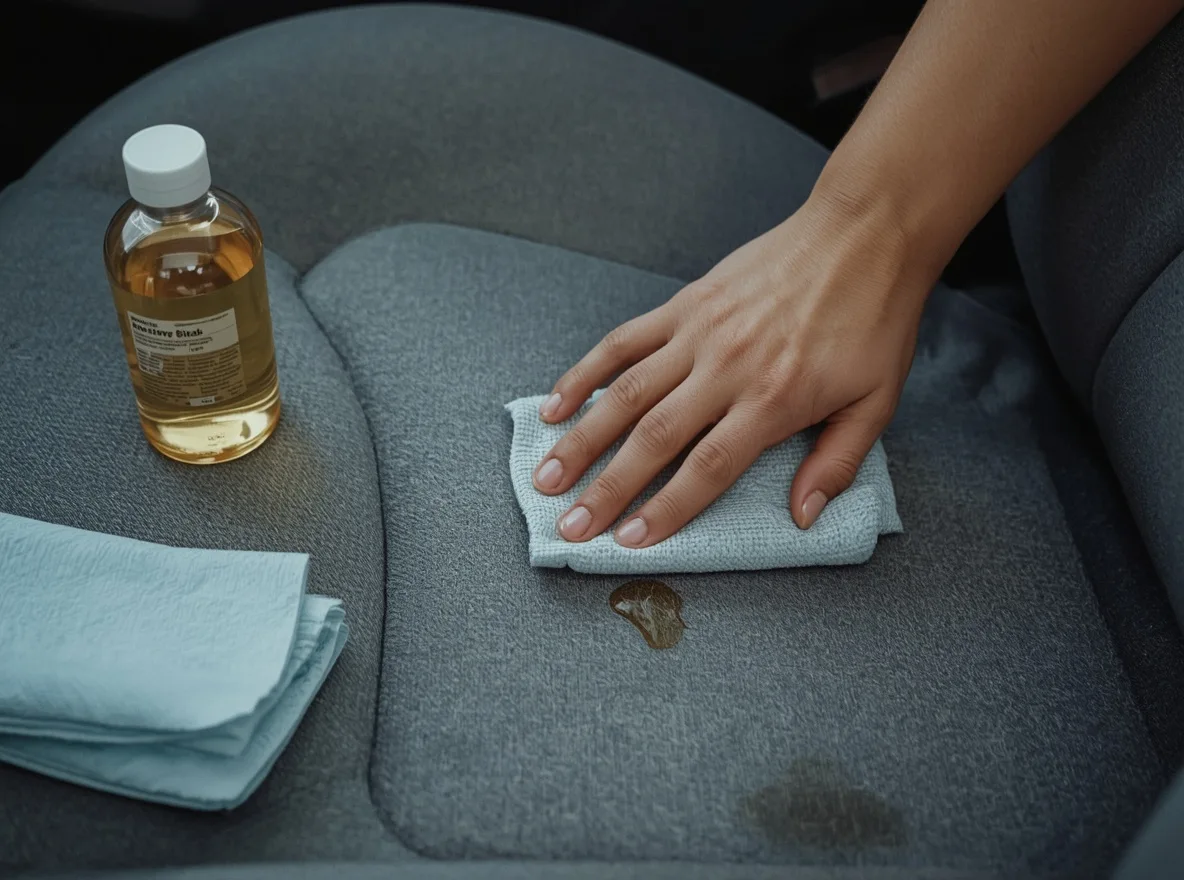
What you need
- Paper towels or clean white cloths
- Baking soda, cornstarch, or baby powder
- Clear liquid dish soap
- Warm water
- Small bowl
- Soft brush or soft toothbrush
- Microfiber cloth
- Vacuum cleaner
- Dry towel
Use white cloths when possible so you do not transfer dye to the car seat. Clear dish soap is also safer than brightly colored soap because it is less likely to leave visible residue.
Step 1: Blot the grease gently
Press a paper towel or clean white cloth onto the grease stain. Lift it straight up. Repeat with a clean part of the towel until you are no longer picking up much oil.
Do not rub back and forth. Do not grind the towel into the seat. The goal is to lift surface grease, not spread it into the fabric.
If the stain is on a vertical part of the seat, hold the towel against it and press gently. Work slowly so the grease does not smear downward.
Step 2: Cover the stain with absorbent powder
Sprinkle baking soda, cornstarch, or baby powder over the grease stain. Cover the entire oily area, plus a small border around it. Let the powder sit for at least 20 to 30 minutes.
For heavier grease stains, let it sit longer. The powder helps pull oil out of the upholstery before you add any liquid cleaner.
Absorbent powder is one of the most important steps for fabric car seats. It helps reduce the amount of grease before moisture is added, which lowers the risk of spreading.
After waiting, vacuum the powder carefully. If the powder looks clumpy or oily, it has absorbed some grease. You can repeat this step once before moving on.
Step 3: Mix a small amount of dish soap with water
In a small bowl, mix a few drops of clear liquid dish soap with warm water. The mixture should be lightly soapy, not thick or foamy.
Too much soap can leave residue in car seat fabric. Residue can attract dirt later and make the cleaned spot look darker over time.
Use only a small amount of cleaning solution. Fabric car seats should be damp-cleaned, not soaked.
Step 4: Blot from the outside toward the center
Dip a clean white cloth into the soapy water, then wring it out well. The cloth should be damp, not dripping.
Blot the grease stain gently. Start at the outer edge of the stain and work toward the center. This helps keep the oily mark from spreading outward.
Use a clean part of the cloth after each few presses. If the cloth picks up grease, switching to a clean section prevents you from putting grease back onto the seat.
Step 5: Use a soft brush only if needed
If the grease is sitting in textured fabric, you can use a soft brush or soft toothbrush. Use light pressure and short strokes. Do not scrub hard.
Work only on the stained area. Keep your movements controlled and small. The goal is to loosen grease from the fabric texture, not rough up the upholstery.
If the stain starts to look wider while you clean, stop adding liquid. Blot with a dry towel, add absorbent powder again, and let the area rest before continuing.
Step 6: Blot with clean water
After the soapy treatment, use a second clean cloth dampened with plain water. Blot the area to remove soap residue.
Again, the cloth should be damp, not soaking wet. Too much water can push residue into the cushion and create a water ring.
Repeat with a clean part of the cloth until the seat no longer feels soapy.
Step 7: Dry the seat thoroughly
Press a dry towel onto the cleaned area to absorb moisture. Keep blotting until the fabric feels only slightly damp.
Leave the car doors or windows open if weather and safety allow. Good airflow helps the seat dry faster and reduces the chance of musty odor.
Do not sit on the seat while it is still damp. Pressure can push moisture and residue deeper into the cushion.
Step 8: Check the stain after it dries
Grease stains can be hard to judge while fabric is wet. Wait until the seat is fully dry, then check the area in natural light.
If the stain is lighter but still visible, repeat the powder step and then use a small amount of soapy water again. Several gentle treatments are safer than one aggressive cleaning attempt.
How to remove old grease from fabric car seats
Old grease stains need more patience because the oil has had time to settle into the fabric. Start with baking soda or cornstarch even if the stain feels dry. Old grease can still be trapped in the upholstery.
Let the powder sit for at least 30 minutes, or longer for a dark oily mark. Vacuum it away, then blot with a mild dish soap solution. Keep the area as dry as possible and avoid scrubbing.
If the old stain improves but does not disappear, repeat the process the next day. This gives the seat time to dry between treatments.
How to remove fast food grease from a car seat
Fast food grease often includes oil, sauce, salt, and small food particles. First remove any crumbs or solids. Then blot the oily area with a paper towel.
Use baking soda or cornstarch to absorb grease before adding any cleaning solution. After vacuuming the powder, blot with a small amount of dish soap and water.
If the stain came from a burger, fries, chicken nuggets, or breakfast sandwich, there may be more than oil in the fabric. You may need to repeat the cleaning process once the seat dries.
How to remove pizza grease from fabric car seats
Pizza grease can be especially noticeable because cheese oil and sauce can leave a combined stain. Remove any cheese or sauce residue first. Blot the grease, then apply baking soda or cornstarch.
After the powder absorbs oil, clean the area with a lightly soapy cloth. Do not flood the seat with water, especially if tomato sauce is also involved, because the stain can spread into a larger ring.
How to avoid water rings on car seat fabric
Water rings happen when too much moisture spreads beyond the original stain and dries unevenly. To reduce the risk, use as little liquid as possible and blot the edges carefully.
- Use a damp cloth instead of pouring water on the seat.
- Clean from the outside of the stain toward the center.
- Blot with plain water after using soap.
- Press with a dry towel after cleaning.
- Let the seat dry with good airflow.
If a faint ring appears after drying, lightly blot the surrounding area with a barely damp cloth, then dry evenly with a towel. Avoid soaking the seat to chase the ring.
Can baking soda remove grease from fabric car seats?
Baking soda can help absorb grease from fabric car seats, especially when the stain is fresh or still oily. It is a useful first step because it removes some oil before wet cleaning.
However, baking soda alone may not remove all of the greasy residue. For best results, use baking soda or cornstarch first, then follow with a small amount of dish soap diluted in water.
Can dish soap be used on fabric car seats?
Yes, a small amount of clear liquid dish soap can be used on many fabric car seats when diluted with water. It should be applied with a damp cloth, not poured directly onto the seat.
The important part is rinsing afterward with a clean damp cloth. Dish soap residue left in upholstery can attract dirt and make the spot look dirty again.
Can vinegar remove grease from car upholstery?
Vinegar is not usually the best first choice for grease. It may help with some odors or mineral residue, but grease needs something that can break down oil.
For oily stains, absorbent powder and diluted dish soap are usually more useful. If you use vinegar for another cleaning reason, do not mix it with random cleaners, and test first in a hidden area.
Should you use a carpet cleaner or upholstery machine?
An upholstery machine can help with some car seat stains, but it is not always the best first step for grease. Too much water or cleaning solution can spread the oily mark or push it deeper into the cushion.
If you use a machine, pretreat the grease with absorbent powder first. Use minimal moisture and extract as much liquid as possible. Let the seat dry completely afterward.
What not to do with grease on fabric car seats
- Do not rub the stain hard. This can spread grease and damage the upholstery texture.
- Do not pour water directly onto the seat. Too much moisture can create rings or push grease deeper.
- Do not use too much dish soap. Soap residue can attract dirt later.
- Do not use bleach. Bleach can discolor car seat fabric.
- Do not use harsh solvents without testing. They may damage fabric, foam, or seat materials.
- Do not sit on the seat before it dries. Pressure can push moisture and residue deeper into the cushion.
How to protect fabric car seats from future grease stains
Grease stains are easier to prevent than remove. A few simple habits can help keep car seats cleaner:
- Keep napkins or paper towels in the car.
- Use a small tray or bag when eating takeout.
- Avoid placing greasy food directly on the seat.
- Clean small spills as soon as possible.
- Vacuum seats regularly so grease does not mix with dirt.
- Consider washable seat covers if food spills happen often.
If you often eat in the car, keeping baking soda, a microfiber cloth, and a small pack of paper towels in the trunk can help you treat stains before they set.
When to call a professional
Some grease stains are difficult to remove at home, especially if they are old, large, or mixed with sauce, dye, or heavy oil. Professional upholstery cleaning may be a better choice if the stain covers a large area or the seat fabric is expensive, light-colored, or delicate.
You should also consider professional help if the stain has a strong odor, if the seat remains damp for too long, or if previous cleaning attempts created a large water ring.
Final thoughts
To remove grease from fabric car seats without spreading it, start by blotting the stain, absorb oil with baking soda or cornstarch, vacuum the powder, clean gently with a small amount of diluted dish soap, blot with clean water, and dry the seat thoroughly.
The main rule is to use less pressure and less moisture than you think you need. Grease spreads when it is rubbed, soaked, or pushed deeper into upholstery. A slow, careful method gives you the best chance of lifting the stain without making it larger.