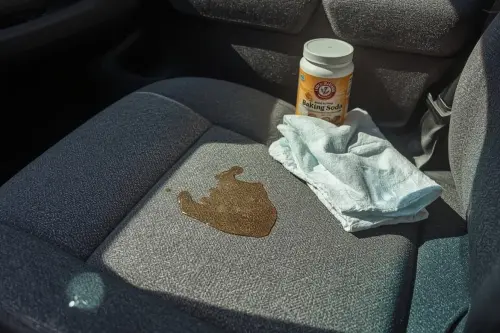
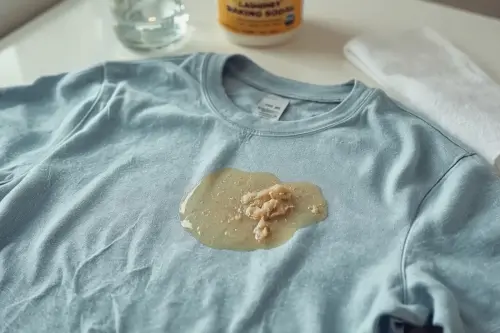
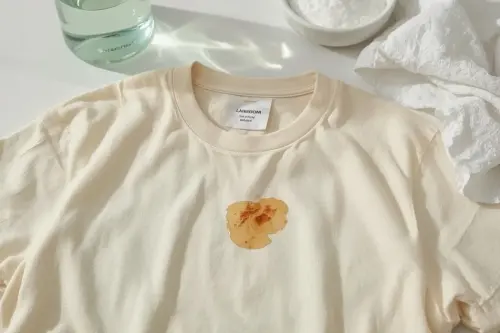
Old grease stains can be a nuisance because they often begin as faint stains, and then become more apparent once the shirt dries or is run through the dryer. Water-based stains rinse out. Grease stains don’t. It clings to the fibers of fabric and can leave a dark, slightly shiny mark even when the shirt looks clean.
The good news is that there are many old grease stains that can be improved, especially on cotton, polyester, cotton blends and your everyday T-shirts. The trick is to work up the oily residue before you wash the shirt again instead of treating it like a regular laundry item.
Do not put the shirt back in the dryer until the grease stain is gone or as light as possible. Heat can make oily residue harder to remove.
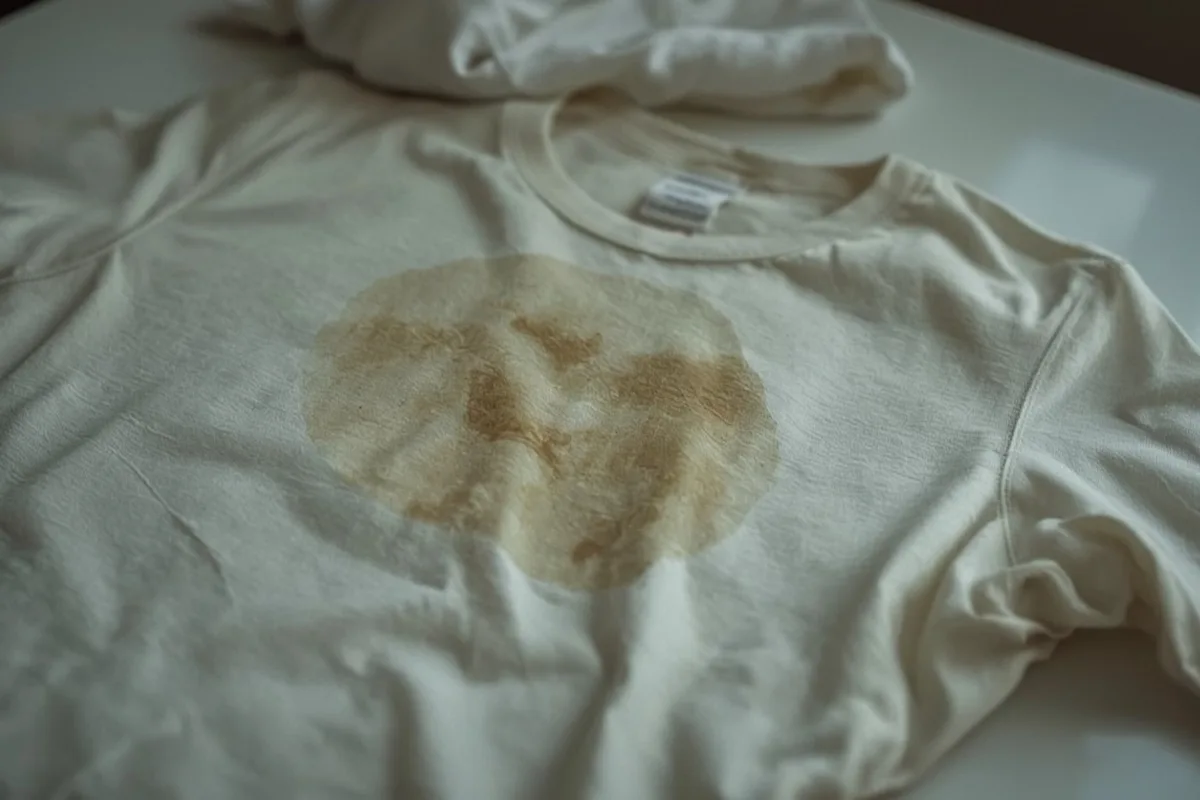
Why old grease stains are harder to remove
Fresh grease sits closer to the surface of the fabric. Old grease has had more time to settle into the fibers, mix with dust, and sometimes bond more tightly after washing or drying. This is why a shirt may come out of the laundry looking clean, only for a darker spot to appear once it is fully dry.
Grease stains also behave differently from coffee, wine, or mud stains. Water alone does not dissolve oil well. That is why old grease marks usually need a grease-cutting product, absorbent powder, or a stronger pretreatment step before the shirt goes back into the washing machine.
Check the shirt fabric first
Before treating the stain, look at the care label. Most cotton T-shirts, work shirts, and cotton-polyester blends can handle dish soap or laundry detergent pretreatment. More delicate fabrics need extra caution.
- Cotton: usually the easiest shirt fabric to treat.
- Polyester: can hold oily stains tightly, so it may need more than one treatment.
- Blends: usually respond well to dish soap or liquid detergent.
- Silk, wool, rayon, or dry-clean-only shirts: avoid harsh scrubbing and consider professional cleaning.
If the shirt is expensive, delicate, or dark-colored, test your cleaning method on a hidden seam before applying it to the visible stain.
What you need
- Liquid dish soap or liquid laundry detergent
- Baking soda, cornstarch, or baby powder
- Soft toothbrush or clean cloth
- Warm water
- Washing machine
- Paper towel or white cloth
For most old grease stains on shirts, liquid dish soap works well because it is designed to cut through oil. Liquid laundry detergent can also help, especially if it is made for stain removal.
Step 1: Place the shirt on a clean towel
Lay the shirt flat with the stained area facing up. Put a white towel or folded paper towel underneath the stain. This helps keep loosened grease from transferring to another part of the shirt.
Avoid using a colored towel under a light shirt, because dye transfer is possible if the fabric gets wet.
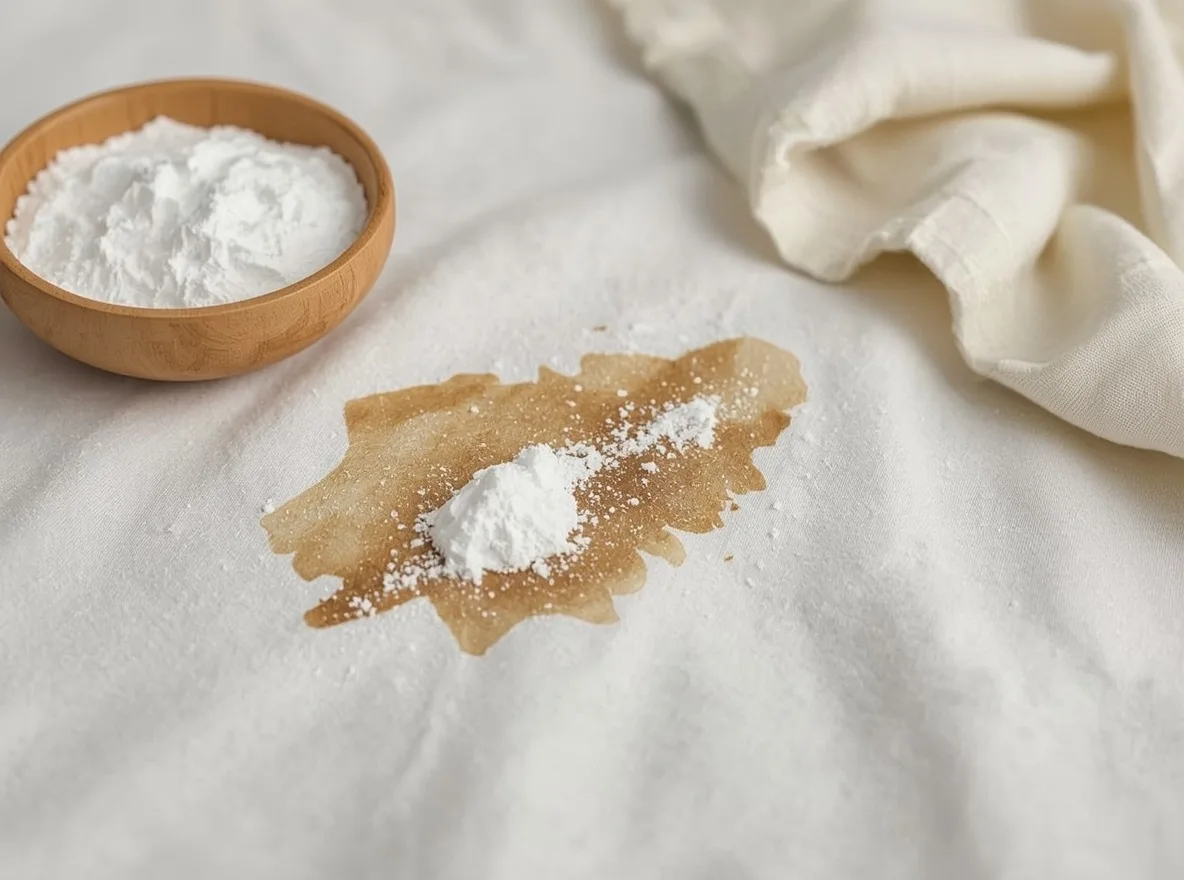
Step 2: Cover the old grease stain with absorbent powder
Sprinkle baking soda, cornstarch, or baby powder directly over the stain. Let it sit for at least 30 minutes. If the stain is old, dark, or has already been through the dryer, leave the powder on for several hours.
The powder helps pull some oily residue out of the fabric before you add liquid cleaner. This step is especially useful if the grease stain still feels slightly slick or looks shiny.
For old grease stains, patience matters. Letting powder sit on the stain gives it time to absorb oil instead of simply rubbing the grease deeper into the shirt.
After waiting, gently brush off the powder. Do not grind it into the shirt.
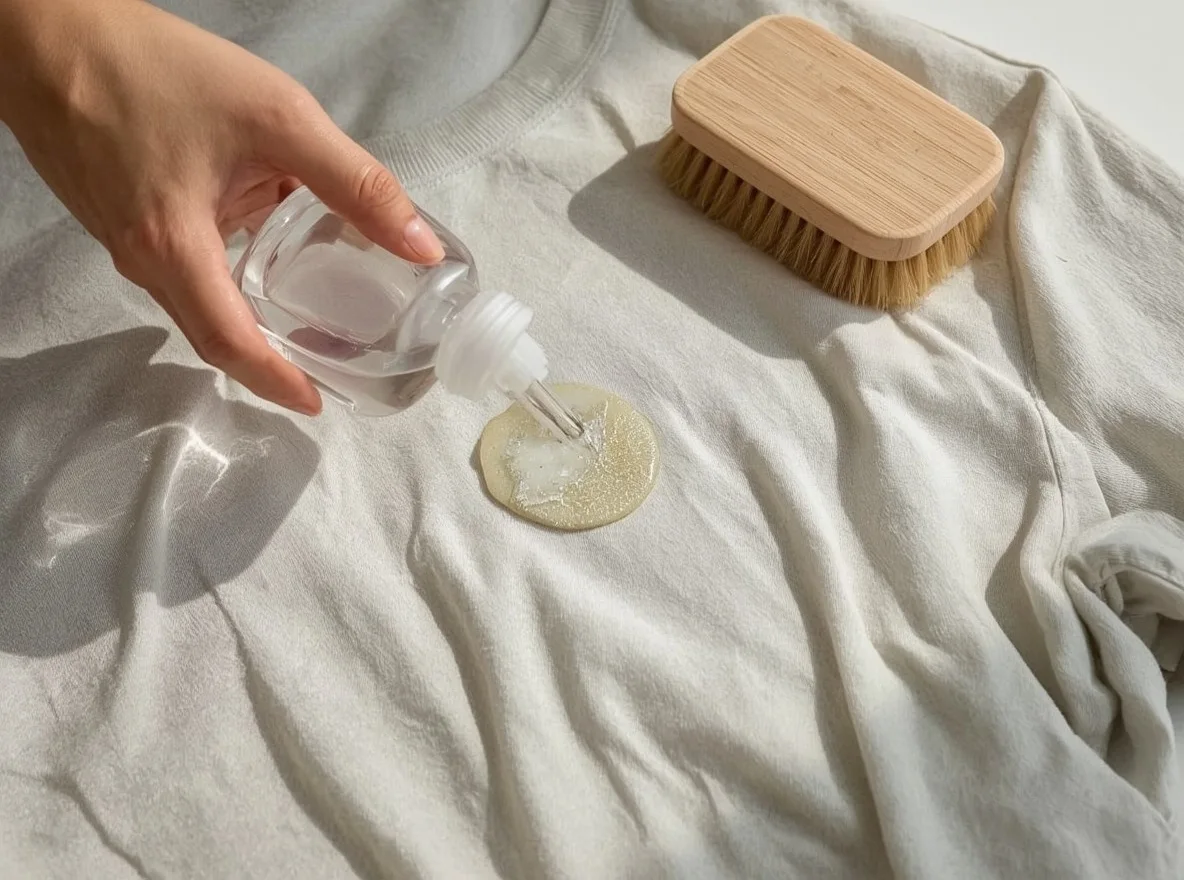
Step 3: Apply dish soap or liquid laundry detergent
Add a small amount of liquid dish soap directly to the grease stain. You only need enough to cover the mark. If you prefer laundry detergent, use a small amount of liquid detergent and work it into the stained area.
Use your fingers, a soft toothbrush, or a clean cloth to gently spread the soap over the stain. Work from the outside of the mark toward the center so you do not spread the grease.
Do not scrub aggressively. Strong rubbing can damage fabric, stretch the shirt, or create a worn-looking patch around the stain.
Step 4: Let the pretreatment sit
Leave the dish soap or detergent on the stain for 10 to 20 minutes. This gives the cleaner time to break down the oily residue.
For a set-in grease stain, you may need to repeat this pretreatment more than once. It is better to treat the stain gently several times than to attack the fabric too harshly in one attempt.
Step 5: Rinse with warm water
Rinse the stained area with warm water from the back of the fabric if possible. This helps push loosened grease out instead of forcing it deeper through the front of the shirt.
Use warm water for sturdy washable fabrics, but avoid hot water if the shirt is delicate, bright-colored, or prone to shrinking.
Step 6: Wash the shirt normally
Wash the shirt according to the care label. Use the warmest water that is safe for the fabric. Add your regular laundry detergent, but avoid overloading the washing machine. A crowded washer makes it harder for water and detergent to move through the fabric.
If the shirt is white and made from sturdy cotton, you may have more stain-removal options. If it is dark, printed, or delicate, keep the treatment gentler to avoid fading or damaging the design.
Step 7: Air dry and inspect the stain
After washing, do not put the shirt in the dryer right away. Let it air dry or inspect it while it is still damp. Grease stains can be hard to see on wet fabric, so check again once the shirt is dry.
If the stain is still visible, repeat the powder and dish soap treatment before drying with heat.
The dryer is the final step only after the stain is gone. If you dry the shirt too early, the remaining grease may become more stubborn.
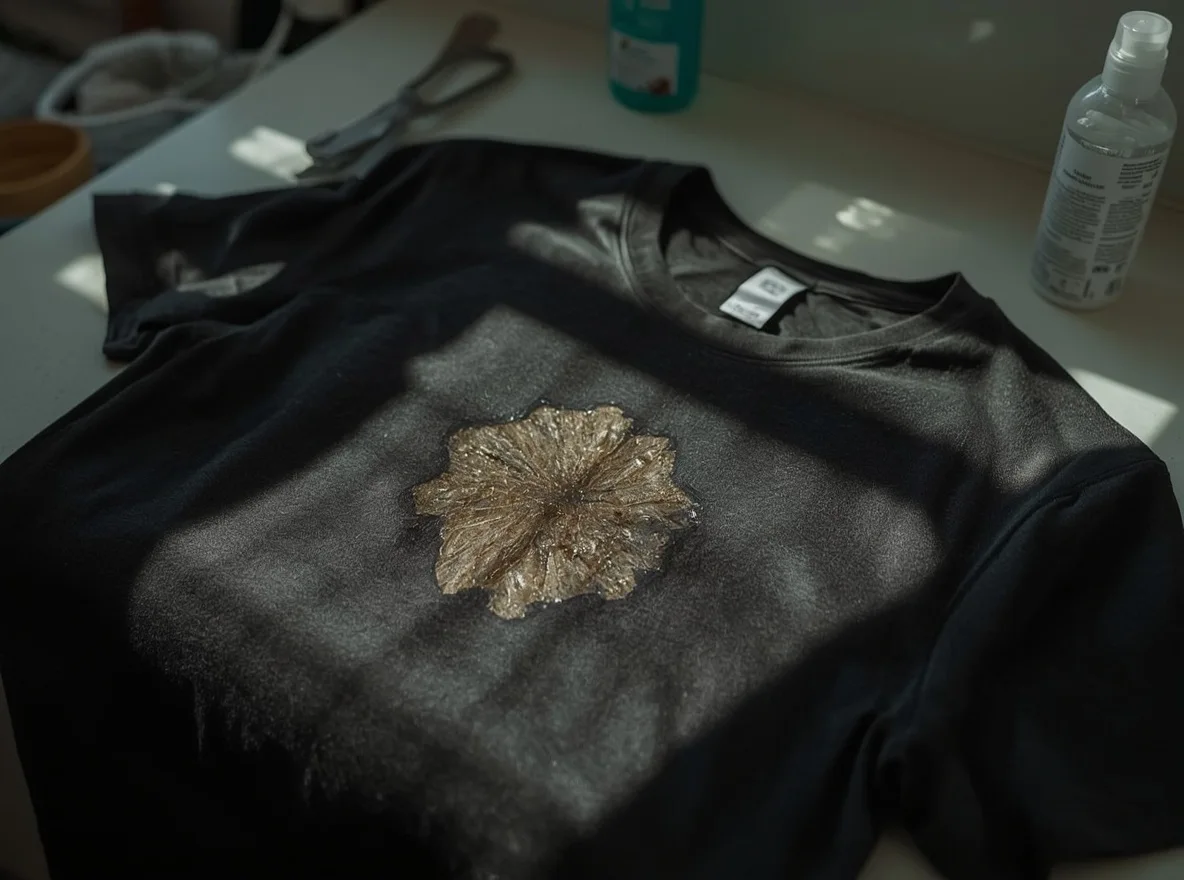
How to remove grease stains that stayed after washing
If the shirt has already been washed and the grease stain is still there, do not assume it is permanent. Washed-in grease stains often respond to a second treatment, especially if the shirt has not been dried on high heat many times.
Try this method:
- Apply dish soap directly to the dry stain.
- Let it sit for 15 to 20 minutes.
- Sprinkle baking soda over the soap if the stain is still oily.
- Gently work the mixture into the fabric.
- Rinse with warm water.
- Wash again and air dry.
This combination helps because the soap breaks down the grease while the baking soda adds mild absorbency and gentle cleaning action.
How to treat grease stains after the dryer
A grease stain that has gone through the dryer can be harder to remove, but it is still worth treating. Start with dish soap on dry fabric. Let it sit longer than you would for a fresh stain, usually 20 to 30 minutes.
Then rinse, wash, and air dry. If the stain improves but does not disappear, repeat the process. Some dryer-set grease stains fade gradually over two or three careful treatments.
Avoid using very harsh cleaners on a favorite shirt unless you are willing to risk discoloration or fabric damage.
What not to do with old grease stains
Some common cleaning habits can make grease stains worse or harder to remove.
- Do not rub the stain hard. This can spread grease and damage the shirt fibers.
- Do not use only water. Grease needs a cleaner that can break down oil.
- Do not dry the shirt with heat too soon. Heat can set remaining residue.
- Do not use bleach as the first solution. Bleach does not remove grease well and may damage color or fabric.
- Do not mix random cleaners. Combining products can be unsafe and may harm the shirt.
Can vinegar remove old grease stains?
Vinegar is useful for some household cleaning tasks, but it is not usually the best first choice for grease stains on shirts. Grease needs something that can cut through oil, such as dish soap or a good liquid laundry detergent.
Vinegar may help with odors or mineral residue, but it does not break down grease as effectively as a grease-cutting soap.
Can baking soda remove grease stains by itself?
Baking soda can help absorb oily residue, especially before washing. However, for old grease stains, baking soda usually works best when paired with dish soap or liquid detergent.
Use baking soda first to absorb, then use dish soap to break down what remains.
How to handle grease stains on white shirts
White shirts make grease stains more noticeable, but they are often easier to treat because you do not have to worry as much about color fading. Start with the same method: absorbent powder, dish soap, warm rinse, then wash.
If the shirt is sturdy white cotton, you can repeat the treatment several times. For white shirts with prints, embroidery, or delicate fabric, avoid strong scrubbing around the design.
How to handle grease stains on dark shirts
Dark shirts need a gentler approach because aggressive cleaning can create faded patches. Use clear dish soap if possible, apply only a small amount, and test first on a hidden area.
Do not use baking soda too aggressively on dark fabric. It can leave a light residue if not rinsed well. After treatment, rinse thoroughly and wash the shirt inside out.
How to prevent grease stains from becoming permanent
The easiest grease stain to remove is the one treated early. Even if you cannot wash the shirt right away, you can still reduce the damage.
- Blot the stain gently with a paper towel.
- Sprinkle cornstarch or baking soda on the spot.
- Avoid rubbing the stain.
- Do not apply heat.
- Pretreat before the shirt goes into the washer.
If you often get cooking oil or food grease on shirts, keeping a small stain stick or travel-size dish soap near the laundry area can help you treat stains before they set.
When the stain may not come out completely
Some old grease stains may not disappear completely, especially if they have been washed and dried many times. Synthetic fabrics can also hold onto oily residue more stubbornly than cotton.
Still, a careful treatment can often make the stain much lighter. If the shirt is still wearable, you may be able to use it as a work shirt, layering shirt, or cleaning-day shirt instead of throwing it away.
Final thoughts
Old grease stains on shirts are stubborn, but they are not always permanent. The best approach is to absorb leftover oil first, pretreat with dish soap or liquid laundry detergent, wash carefully, and avoid the dryer until the stain is gone.
For most everyday shirts, repeating the process gently is safer and more effective than using harsh cleaners. With enough patience, many old grease stains can be lifted or faded enough to make the shirt look clean again.